
King George County Arrest Warrant Issuance
Virginia law puts arrest process in the hands of magistrates, judges, and certain clerks. Whoever issues it must hear the complaint or sworn witnesses and find probable cause. A felony complaint has to be in writing. The warrant itself names the accused or gives a description, states the offense, orders an arrest and an appearance in court, and bears the issuer's signature. If a private person swears out a felony complaint, the Commonwealth's Attorney or law enforcement must approve it first. Here in King George County, the magistrate stationed at the Sheriff's Office handles early warrants and bail hearings, while the case file later lands with the GDC, Circuit, or J&DR court depending on the matter. Virginia Code § 19.2-71 lists who may issue process, and § 19.2-72 sets out the sworn review and what the warrant must contain.
King George County Arrest Warrants Explained
An arrest warrant is written process ordering an officer to bring someone before a judicial officer. It grows out of a sworn complaint and probable cause, not merely a missed court date. That is what separates a new arrest warrant from a capias or bench warrant tied to a case already running. In King George County, Magistrate Services handles the early warrant and bail questions, and the Sheriff's Patrol Division serves criminal warrants. From there the case belongs to whichever court has jurisdiction. A public OCIS result can list case events, but it is no substitute for a complete local warrant roster.
King George County Sheriff Patrol Serves Warrants
The Sheriff's own divisions page assigns criminal-warrant service to Patrol. Court Services covers courthouse security, prisoner transport, and most civil-process service. A Special Response Team backs up high-risk warrant service when needed. Those jobs stay separate, and serving papers does not make the King George County Sheriff the keeper of every Circuit, GDC, or J&DR file. The Sheriff's Office offers no warrant-only phone line and no online active-warrant form. Call the non-emergency number to be routed, then call the issuing clerk about case events or a recall. The official Sheriff's divisions page lays out Patrol, Court Services, and the Special Response Team.
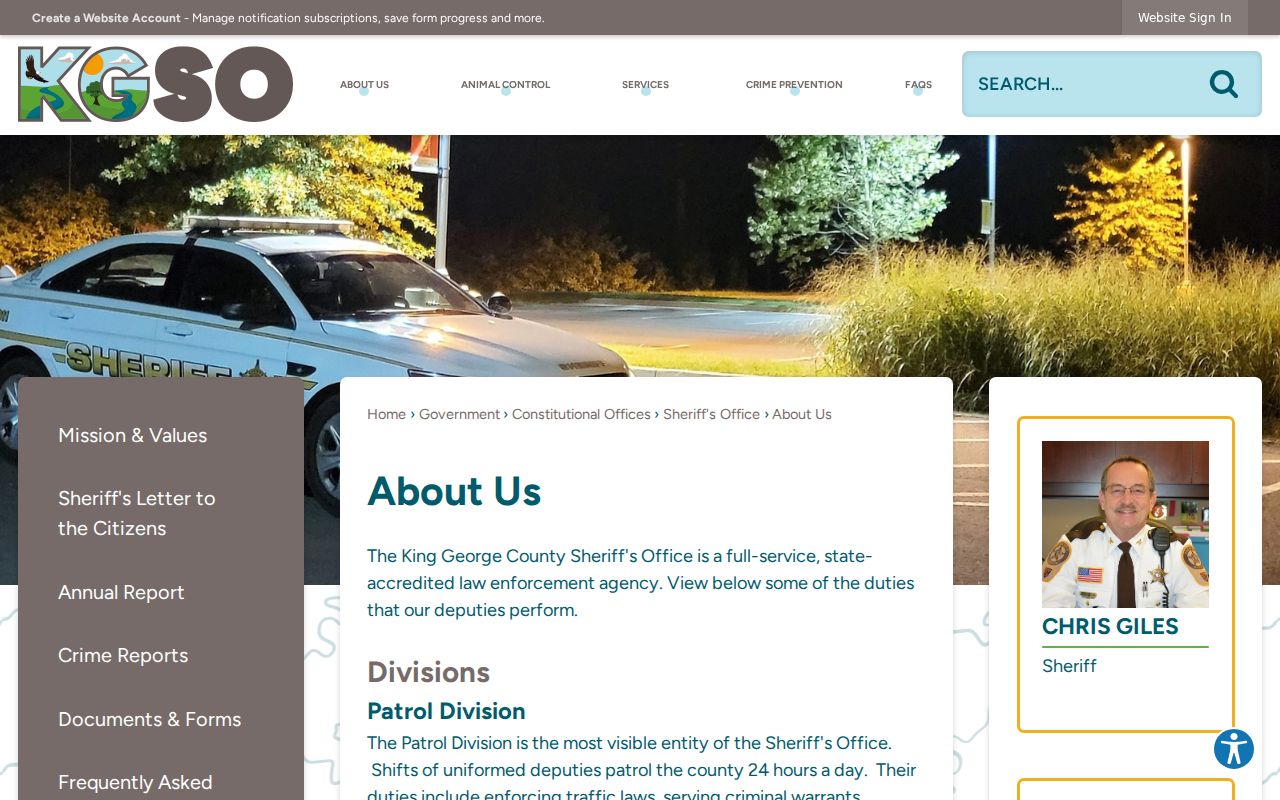
The division page describes service functions; it does not provide a public warrant search.
Inside a King George County Arrest Warrant
King George County publishes no sample warrant. What a record holds, in outline: the court, the process type, the charge, the issue date, and the bond terms. The local warrant number format is not published either, so ask the clerk holding the file.
| Process number | No public King George format was found. Format not published |
|---|---|
| Case / subject | Court-assigned case and party fields; private identifying values are not reproduced. |
| Charge / offense | Offense description and felony or misdemeanor classification. |
| Issuing officer / court | Magistrate or authorized judicial officer; the case may proceed to GDC, Circuit, or J&DR. |
| Bond / release terms | Set by a judicial officer for the case; no fixed County schedule was located. |
| Issue / return date | Execution and return are recorded under Virginia process rules. |
King George County Capias and Arrest Warrant Roles
Three papers, three jobs. A warrant of arrest directs an officer to bring a person before the court. A capias can issue after an indictment or a failure to appear. A search warrant lets officers search a described place, person, or item, and its affidavit follows a separate public-access timeline. Virginia law lets officers and jail officers execute process in the circumstances the law describes. In King George County, the Sheriff's Patrol serves local criminal warrants, and the Regional Jail can serve process on people already in custody. The serving agency and the court file may each hold only part of the record. Code § 19.2-76 covers execution and return, while § 19.2-54 covers search-warrant papers.
Serving Arrest Warrants in King George County
The King George Sheriff's Patrol serves criminal warrants locally. Other Virginia officers and jail officers may also execute process as state law allows. Court Services backs the courthouse with security and prisoner transport, and it is not described as the only criminal-warrant server. High-risk service can bring in the Special Response Team. Once an arrest happens, the person goes before a judicial officer without unnecessary delay. Booking, an initial bail decision, and a later court date typically follow. The warrant alone will not tell you the bond amount or whether another hold affects release, so ask the clerk about those details in King George County.
Rappahannock Regional Jail and King George County Warrants
Rappahannock Regional Jail serves King George, Stafford, Spotsylvania, and Fredericksburg. It sits in Stafford, not at the King George County courthouse. Intake books and releases people, serves warrants on inmates, schedules bond hearings on new warrants, and processes bonded releases. The jail's public instructions say bonding runs seven days a week. Cash is posted with the magistrate or court, property-bond requirements come from the local magistrate, and bondsmen must supply the required paperwork. One caution: RRJ does not give court dates or release dates to callers. RRJ describes intake and warrant processing on its inmate-processing page.
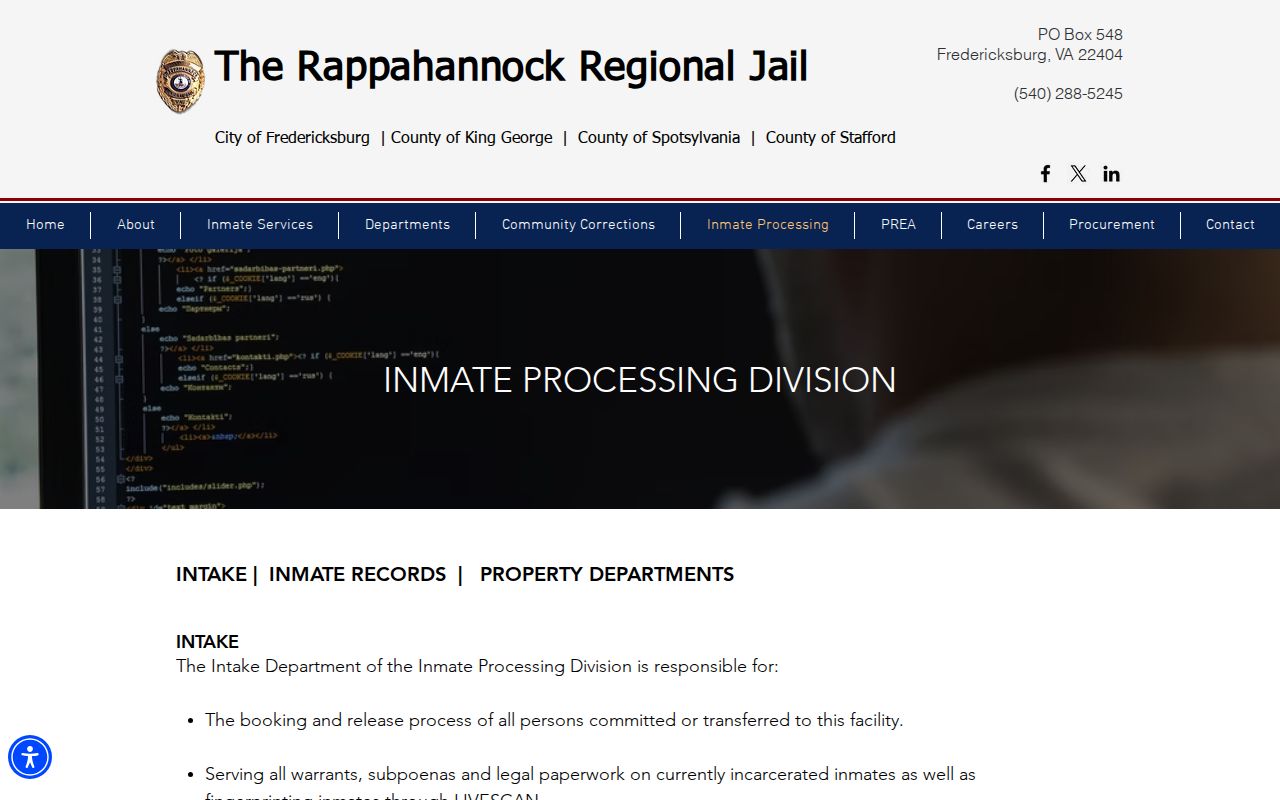
Intake is the custody route after arrest, not a replacement for the issuing court's case file. RRJ also explains bond methods and release procedure, and the regional jail homepage lists the service area and current contact routes for King George County.
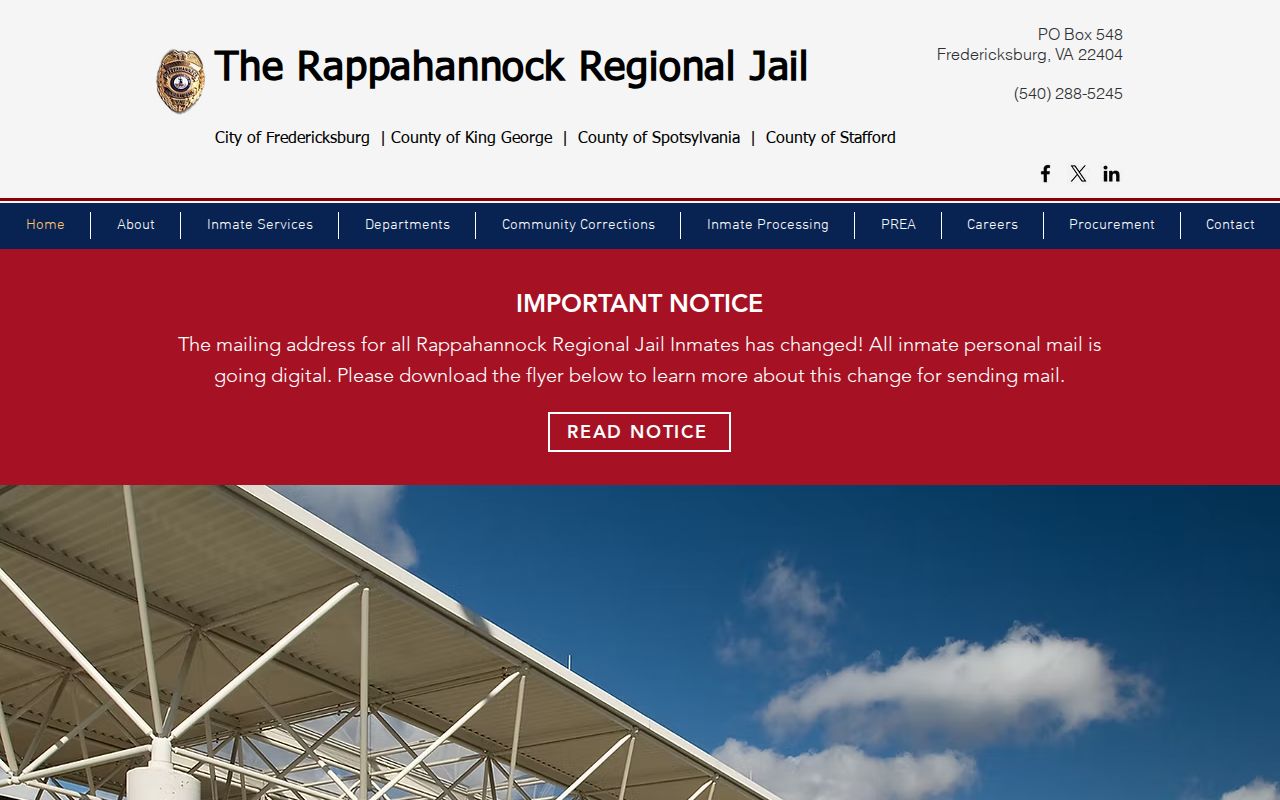
Confirm case status and future court dates with the clerk, even after bond is posted in King George County. The jail's bond and release instructions cover the bond routes and the seven-day bonding schedule.
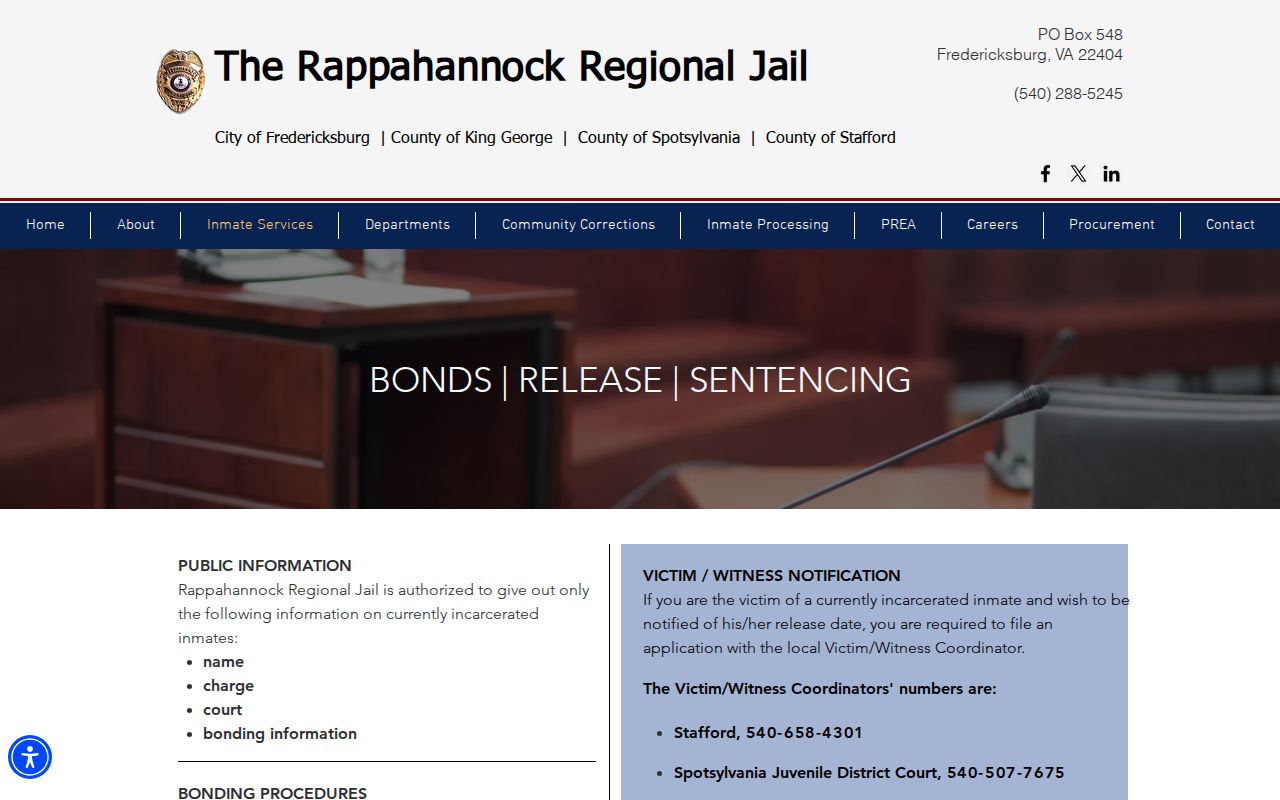
Jail bond logistics do not change the court date; King George County scheduling answers come from the issuing clerk.
Comparing Arrest, Summons, and Bench Warrants
An arrest warrant in King George County is backed by probable cause that a crime occurred. A summons works differently. It tells a person to show up in court rather than face custody on the spot. A bench warrant or capias usually grows out of a case already open, such as a missed court date, so read the paper itself and call the court that holds the case.
| Feature | Arrest Warrant | Summons | Bench Warrant |
|---|---|---|---|
| What it does | Directs arrest and appearance | Orders an appearance on a date | Orders arrest or court response after a court duty |
| Basis | Sworn complaint and probable cause | Authorized court process | FTA, contempt, or another case obligation |
| King George route | Magistrate or authorized judicial officer | Issuing court | GDC, Circuit, or J&DR case court |
| Follow-up | Confirm court and bond process | Appear as directed | Ask court about appearance, motion, or recall |
King George County Felony Capias Route
Felony matters in King George County can start with a magistrate and a General District Court preliminary hearing, then move to the Circuit Court by indictment or trial. A capias issued after indictment is Circuit Court process. The Circuit Clerk holds the felony files: indictments, capiases, and criminal orders. The King George Circuit Court page posts the criminal docket along with the clerk's contact details. Motions go through the judge's chambers. A docket date alone is not permission to simply show up, so confirm the required procedure first. Ask the clerk which filing or appearance fits your situation, and weigh hiring counsel before a motion or a surrender plan.
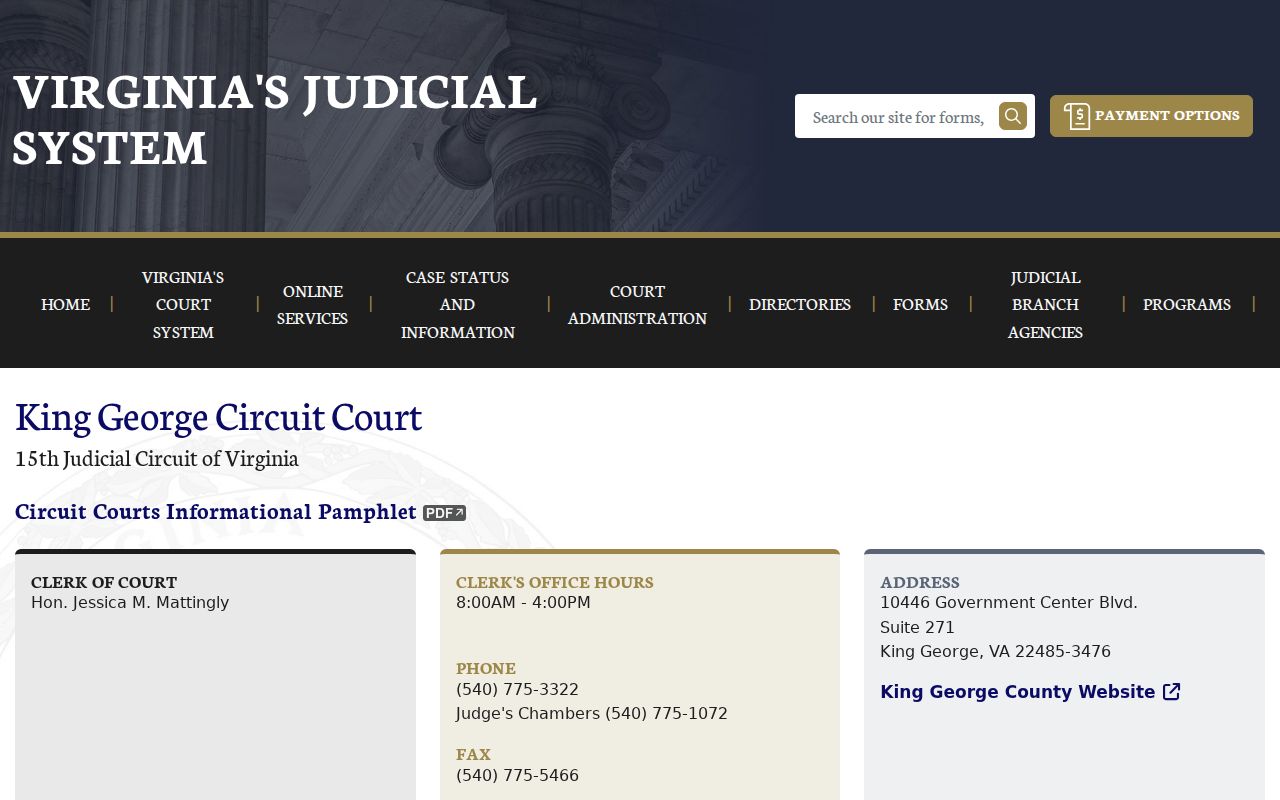
The Circuit Clerk can locate the file but cannot provide legal advice.
If There’s an Arrest Warrant for You
First, confirm which court issued the paper and whether it is an arrest warrant, a capias, or something else. Then call the Sheriff and the issuing clerk before any voluntary surrender. King George County publishes no walk-in surrender policy. Ask where booking happens, whether a lawyer can coordinate the plan, and which office takes bond. If you are already in custody, RRJ handles intake and the bond release steps. Cash, a property bond, and bondsman paperwork each follow different rules. Remember, posting bond does not resolve the charge itself. Ask the court for proof of a recall, service, or next appearance once action is taken.
Important: Speak with a Virginia attorney about legal strategy. Confirm surrender and bond instructions with the Sheriff, magistrate, and court before acting.